Stirred Cucumber Drinks

This week’s Robb Report article was about a cocktail called the Archangel. You can read it here if you like, but briefly summarized: the Archangel is a neo-classic from 2006, essentially the build of a Gin Martini, but with the bold bittersweet liqueur Aperol subbed in for dry vermouth’s herbal whisperings: 3 parts gin, 1 part Aperol.

It also has one additional twist, the curious addition of a lightly muddled (or “bruised”) cucumber, stirred all together and strained up.
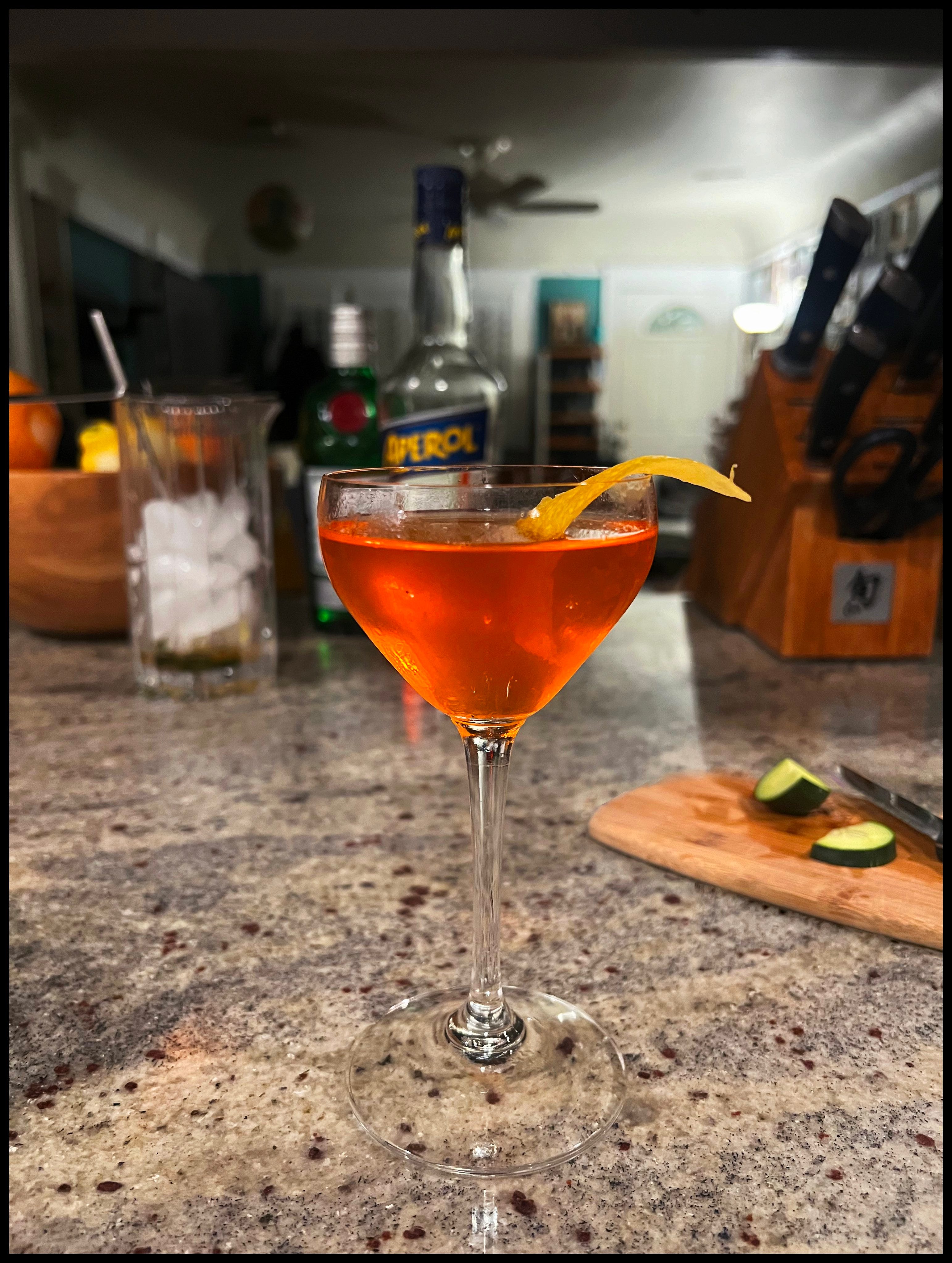
If you don’t live and work in the cocktail world, maybe you don’t know how strange this “bruised” cucumber business is. Cucumbers are for shaken refreshing drinks, not boozy stirred ones. Cucumber Margaritas. Cucumber ‘Tinis. This sort of thing. They bring a cooling herbaceousness to the palate that is broad and almost urgently refreshing, and are what make drinks like the Eastside Rickey (gin, lime, cucumber, mint, soda) so irrepressibly, grab-the-table-with-your-eyes-closed delicious. As far as I knew, the Archangel, invented in 2006, is the first time anyone specifically designed an all-booze, no-juice drink with a muddled cucumber (I wasn’t exactly correct about it being the first, more on that below). 

I’ll do you one more: the Archangel is fucking amazing. The drink is a total banger — the cucumber takes on a floral resonance, a green ribbon of flavor that weaves throughout the entire tasting experience, like a smell in a cartoon that lifts you off your feet and tractor-beams you toward a pie. It’s great both on the rocks or up, and, in another big surprise to me, it’s great across styles of gin, from Tanqueray to Plymouth to Hendrick’s to even something wild like Aviation.
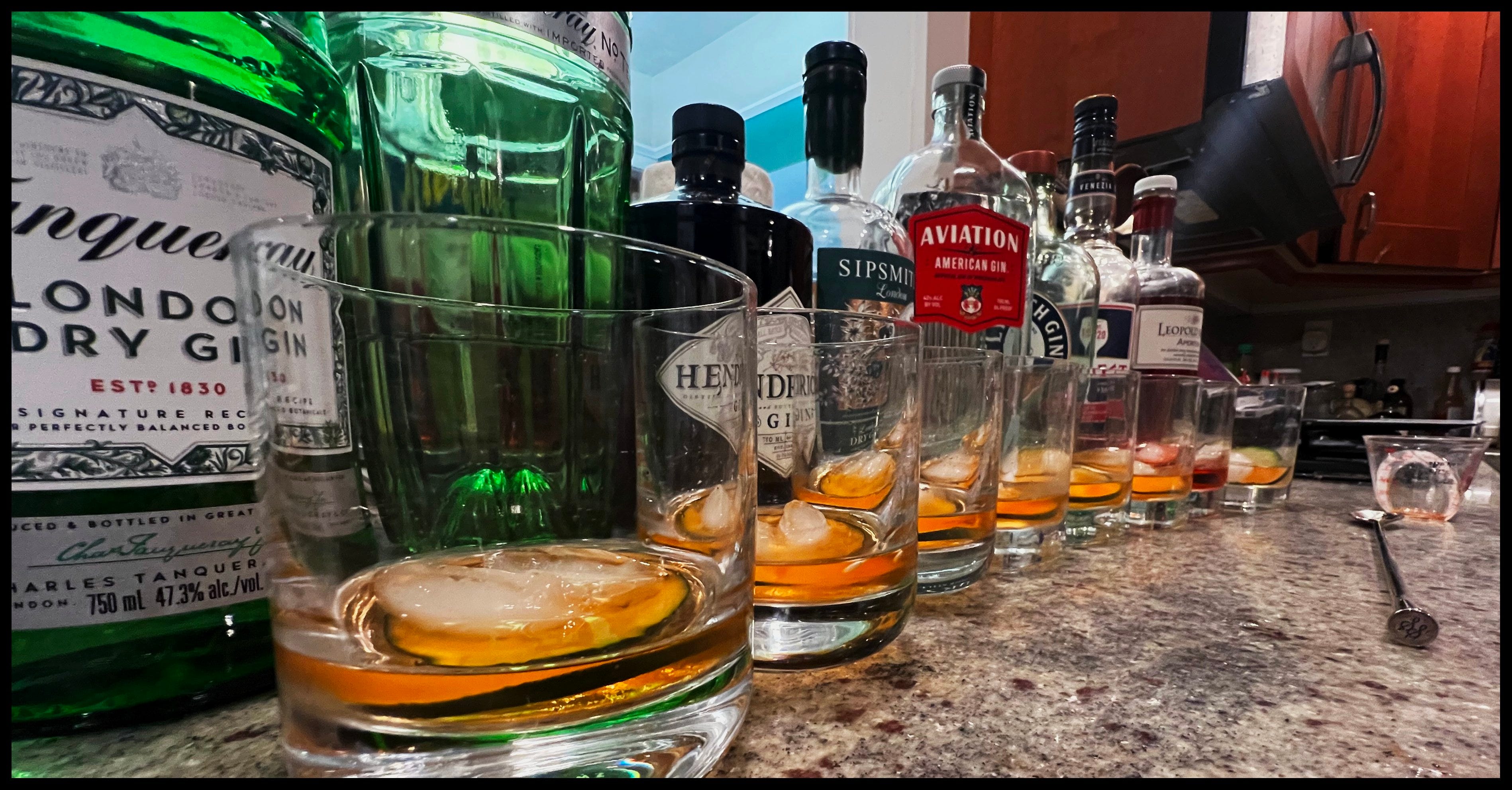
It’s just great. It’s a great drink. Full stop.

So what, we’re stirring our cucumbers now?

Every idea has to start somewhere, so I understand that maybe no one had done that exact thing before Michael McIlroy and Richard Boccatto came up with it at Milk & Honey, but that was 18 years ago. What about since? Where are the cucumbers in stirred drinks now? Surely the Archangel isn’t the only possible way to use this technique?

This is not rhetorical, it was an honest question. When Jeffrey Morgenthaler came up with barrel aging cocktails in 2010, they were doing it at Ruth’s Chris Steakhouses by like 2012. A technique breakthrough, especially one with such a delicious proof of concept, should be everywhere, but before I started writing this I only knew of one other bruised cucumber stirred drink, and that one sucked.

Incredulous, I scoured a bunch of cocktail books and blogs and gathered as many as I could find, which ended up as the following 10. Of those 10, I made 8 of them, because I would have needed to buy six new bottles to make the final drinks, and that’s too many.
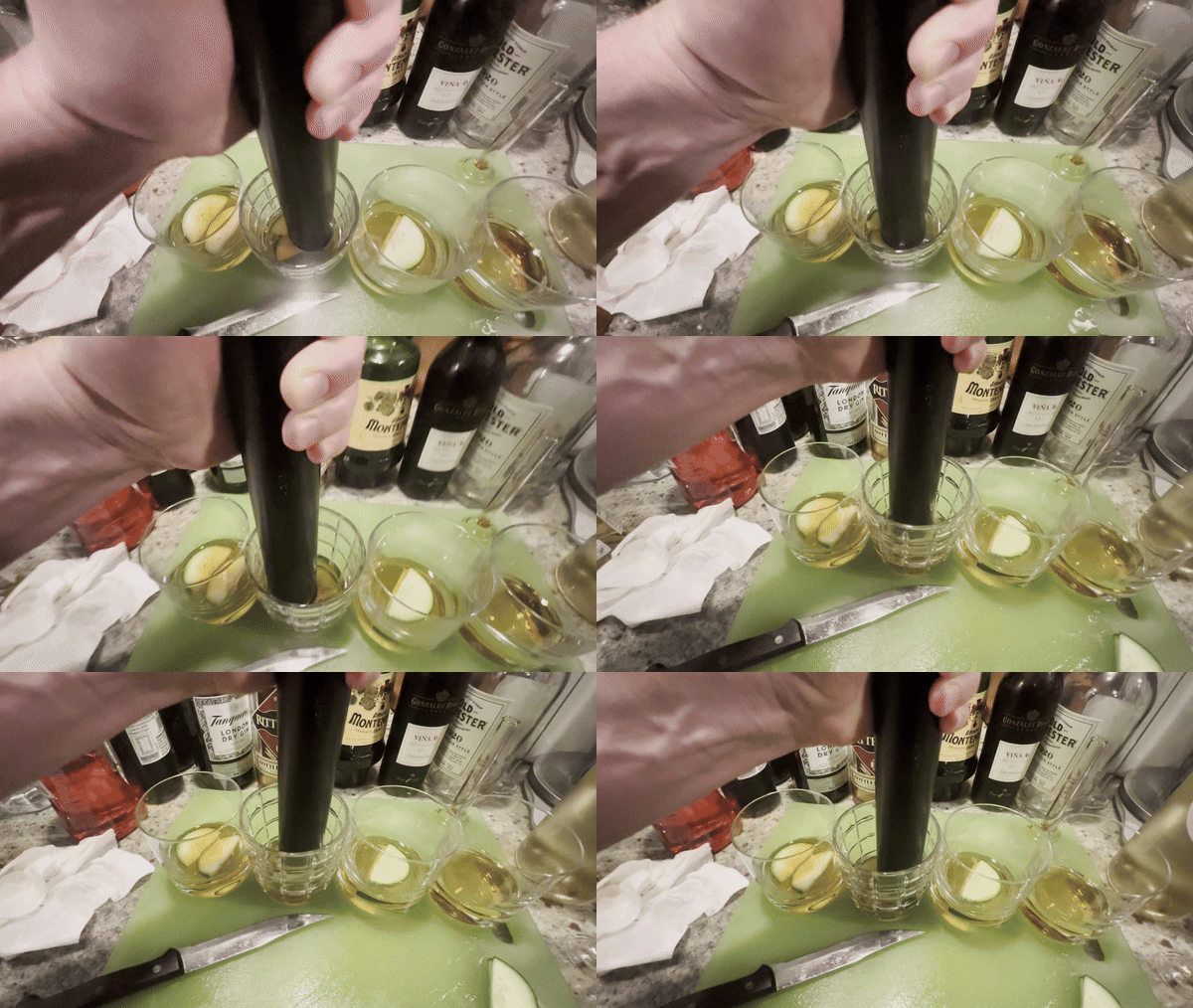
And now, may I present:

WONDERFUL COCKTAILS with STIRRED CUCUMBER

Archangel

  • 2.25oz Gin
  • 0.75oz Aperol
  • 3 cucumber wheels

Muddle cucumbers in a mixing glass. Add liquids and ice and stir for 10-20 seconds. Strain up into a coupe, and garnish with a lemon peel or a cucumber slice.


Green and Red — Thomas Waugh, 2012, as detailed in the Death & Co. Cocktail Book.

  • 1oz Siete Leguas Blanco Tequila
  • 1oz Jalapeno-infused Siembra Azul Blanco Tequila
  • 0.75oz Cocchi Americano
  • 0.75oz Dolin Dry Vermouth
  • 0.25oz Alvear Festival Pale Cream Sherry
  • 3 cucumber wheels

Muddle cucumbers in a mixing glass. Add liquids and ice and stir for 10-20 seconds. Strain up into a coupe, and garnish with a cucumber ribbon, on a pick

My notes:

Oh, that’s wonderful. Tequila and the cucumber goes super well together — the green notes from the tequila melds with cucumber like a dream, and the jalapeno infusion obviously helps. The way the cocchi + sherry interact, especially on the finish, is phenomenal. Goddamnit Cocchi is such a good product. Arcs over the palate, while the cucumber plays it’s floral game. Heat helps with sweetness. Really good.


Mexicano — Jim Meehan, 2010, as detailed in the PDT Cocktail Book

  • 1.5oz Partida Reposado Tequila
  • 0.75z Gran Classico Bitter
  • 3 Cucumber slices
  • 2oz Champagne

Muddle cucumbers in a mixing glass. Add tequila and liqueur and ice and stir for 10-20 seconds. Strain up into a coupe, top Champagne, and a lemon peel.

My notes:

Oh shit this is actually pretty good. Very bitter. Cucumber plays toward the vegetal-ness of the tequila. Cucumber more apparent on the nose than on the palate. Lemon peel helps. Robust vegetal bitterness on the back palate that the cucumber seamlessly transitions to. I hate the name but this is pretty good. Bubbles manage to lift it up. They clash with the gran classico, at least cava does, but that’s all on the finish. From the front to the midpalate it’s like “hi I’m lemon cucumber brightness” and then abruptly the Gran Classico is like “i’ll take it from here, son” and cucumber bitterness takes over.


Wheeler and Wilson — Leo Robitschek, as detailed in the NoMad Cocktail Book

  • 0.5oz Amaro Montenegro
  • 0.5oz Dolin Blanc
  • 0.5oz Lustau Los Arcos Amontillado Sherry
  • 0.75oz Diplomatico Reserva Aged Rum
  • 1oz Old Forrester 100 Bourbon
  • 3 cucumber slices

Stir with cucumber slices, then strain into a coupe, and garnish with 2nd cucumber slice

My Notes:

Woah. So much going on. Great though. Deep complexity. Harnesses the weirdness of the Montenegro well. There’s some noise here, and I strongly suspect it’s because I didn’t use the same brands (I had Dooley’s XO rum and Old Forrester 1920 Bourbon), but that’s not the drink’s fault. Even still, with the proof off and the rum very off, it’s solid — the cucumber gives a broad green base to a ton of complexity. If you’ve got the brands on hand, or even if you don’t, I recommend.

A STIRRED CUCUMBER DRINK that ALMOST BROKE MY BRAIN

Spring Sting — Pietro Collina, as detailed in the NoMad Cocktail Book

  • 1oz Pierre Ferrand 1840 Cognac
  • 0.75oz Cocchi Americano
  • 0.5oz Laphroig 10
  • 0.5oz Chareau
  • 1 tsp Amaro Nardini

Stir all together (no cucumber), then strain into a Nick & Nora, and garnish with a cucumber ball, placed into the drink.

My Notes:

WHAT THE FUCK. This is so fucking cool. Chareau and Laphroig? I’m sorry, what??

The description calls this “a stirred savory grasshopper,” and I see it vividly, but I’m not sure how it’s working. Starts with minty melon from Chareau, and smoke almost immediately makes a presence. Everything fits together amazingly well, and I’m not even using the right amaro [I used Averna]. This starts almost chocolaty, from what, the amaro+cognac? Then Chareau, then Laphroig. Cucumber supports Chareau aromatically and otherwise. Fabulous.

I’m not supposed to muddle cucumber but I did anyway. It’s great. Made it again without muddled cucumber, just placing a freshly cut cucumber into it after it’s made. Also great. Too insane for me to pick a favorite, I’ll have to try it side by side. I will be making this again.
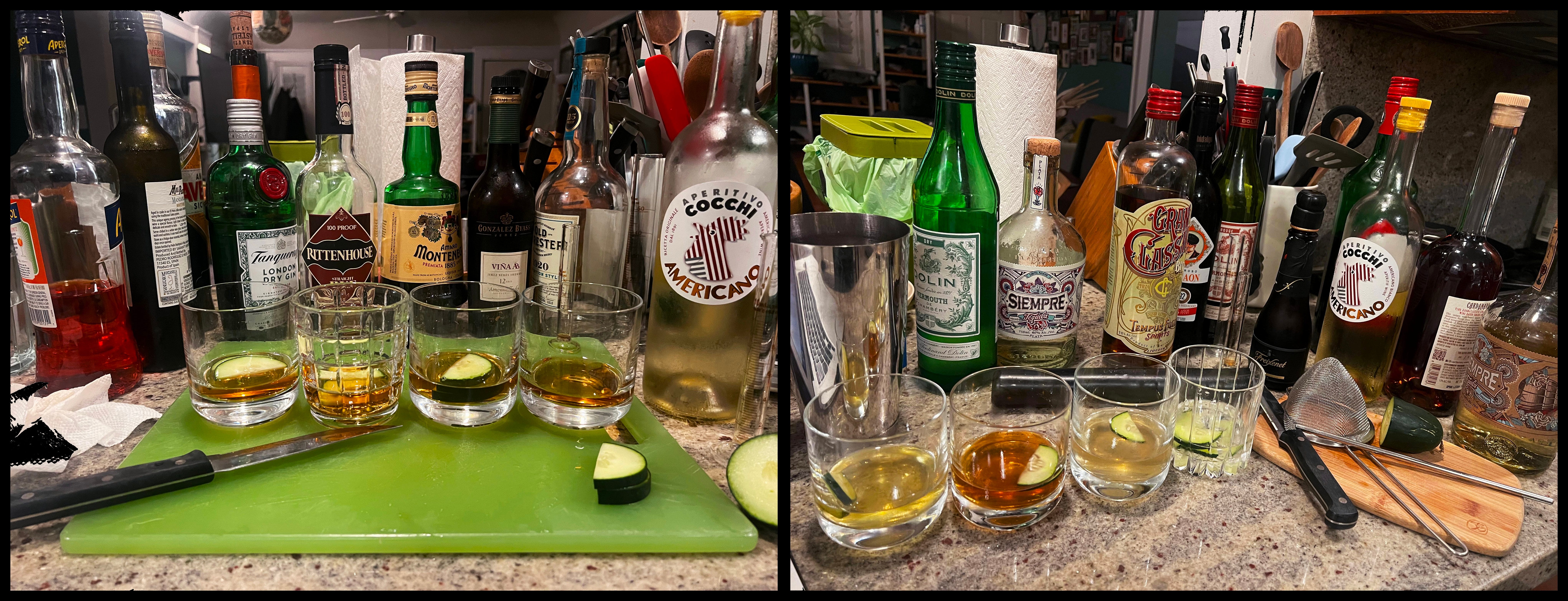
STIRRED CUCUMBER DRINKS that ARE JUST FINE

For the sake of completeness, here’s the others. The next four I made and didn’t think were excellent, and won’t be making again. Listing them for completion, because there is otherwise no catalogue of all these in one place:

Polaris — Brandon Bramhall, Attaboy Nashbille, 2018, as detailed in the Bartender’s Choice App

  • 1.5oz Gin
  • 1oz Manzanilla
  • 0.5oz Aperol
  • Bruised cucumber

Stir. Up. Lemon twist 

My notes:

Good. Just an Archangel plus sherry. Sherry changes it. Completely takes over the finish. Aperol to gin to sherry. Adds complexity. Not sure it’s better, but it is good. Lemon really adds this time, in a way I don’t think it adds in the Archangel itself. Sherry fans might even consider this an improvement, but I mostly just want an Archangel. Shery fits in super well, but totally dominates the finish. It shortens the tasting process of the other, and then sherry’s like HI IT’S ME SHERRY.


Cobble Hill — Sam Ross, Milk & Honey, 2005, as detailed in the Bartender’s Choice App

  • 2oz Rye
  • 0.5oz Dry Vermouth
  • 0.5oz Montenegro
  • Cucumber

Stir. Up. Garnish with a freshly sliced cucumber.

My notes:

I tried this twice, and it is unique for me in that it’s the first Sam Ross cocktail that I haven’t liked even a little. Rye is weird. First impression is that this isn’t special. At least not with Bulleit rye. Doesn’t come together. Cucumber is a presence on the front palate, but the finish is just rye and weird. I see what he’s going for I think, and maybe gets there with a different rye, but not this one.

Trying again with Rittenhouse this time. Rich on the body. Still bad. What the shit. Bad. In that it’s not at all good. Tastes like pickles. Too dry.


Chin Up — Sam Ross, Milk & Honey, 2005, as detailed in the Bartender’s Choice App

  • 2oz gin
  • 0.5oz Cynar
  • 0.5oz Dry Vermouth
  • Salt
  • Cucumber 

Stir. Up. Lemon Twist

My notes, such as they are:

MUCH better than the Cobble Hill. Gin is just a better call. Still, nowhere as good as the Archangel. This sticks out in all the wrong places.


 False Start — Anne Robinson, Westlight, as detailed at Punch

  • 1.25oz Siete Leguas Reposado Tequila
  • 1oz Cardamaro
  • 0.75oz Dolin Rouge Vermouth
  • 0.25oz Cynar

Muddle 2 cucumbers slices, then add all ingredients and ice and stir, then fine strain into a coupe and garnish with a cucumber wheel.

My notes:

Pretty good. I see what it’s going for I think. I certainly don’t hate it, just a little anodyne. I didn’t use Siete Leguas Reposado which might make the difference [I used Siesta Repo], but I don’t think so. If the cocktail is that brand-dependent it’s a little meh. Just meh. Nothing bold, nothing sticks out, just sweetish, kinda boring. No edge. Like bobbing in an above-ground pool.

STIRRED CUCUMBER DRINKS that I HAVEN’T TRIED YET

Stone Crush — Chaim Dauermann, Up & Up Bar, as detailed in Spirited

  • 3-4 cucumber slices
  • 1.5oz Brennivin
  • 0.5oz Blanc Vermouth
  • 0.25oz Rabarbaro Zucca Amaro
  • 1oz Pilsner Beer

Muddle, then shake everything but beer, strain into rocks glass, top with pilsner, and stir to combine. Garnish with a lemon twist and a couple cucumber slices.

Beau Four — Leo Robitschek, as detailed in the NoMad Cocktail Book

“A springtime Manhattan with mentholated complexity and depth”

  • 1.5oz Jim Beam Black bourbon
  • 0.75oz Dolin Dry
  • 0.5oz Amaro Nardini
  • Short 0.5oz Amaro Foro
  • Cucumber slices

Stir on ice with cucumber slices. Strain into the coupe, garnish with a cucumber slice

Thanks for reading! Let me know how these strike you. Especially the Spring Sting. Good god.

FYI: I have an affiliate thing set up through Amazon, so buying the books through the links will give me a very small amount of money. It seems honorable to mention it.
What’s the best recipe for a Clover Club?

1934 — Just one heady year after Prohibition was repealed, Esquire Magazine, in a civic-minded attempt to reestablish the norms of a long dormant drinking culture, published a list of 10 Worst Drinks of the Previous Decade. There, among what they called out as the “pansies,” were the Brandy Alexander, the Bronx, a shaken 50/50 mix of rum and sweet vermouth called the “Fluffy Ruffles,” and, for some reason, the Clover Club.

Well, it wasn’t exactly called a pansy “for some reason.” It’s for this reason:

cc-pansies

Such is the injustice that has followed the drink its whole life. The Clover Club is too pretty to be taken seriously. It’s the Brad Pitt of cocktails.

History:

In January of 1880, an informal dinner of 15 newspaper men was arranged. The social benefits of this association became quickly apparent, and they formed the Thursday Club, which met every 4th Thursday for almost two years. For various reasons, the group re-branded, and on January 19, 1882 at the Bellevue-Stratford Hotel in Philadelphia, they met with a new formal name: The Clover Club.

To call it formal, however, was to miss the point. Its membership was made up of 35 men from all over industry, government, and law, as well as various other prominent wits. Oscar Wilde was there. There was no specific aim — “a Club for Social Enjoyments, the Cultivation of Literary Tastes, and the Encouragement of Hospitable Intercourse.” The one major rule was to enjoy yourself: if anyone was found to be too ponderous, sullen, or dull, they’d be mercilessly heckled. “The Clover Club,” according to the old Waldorf-Astoria bar book, was “composed of literary, legal, financial and business lights of the Quaker City, [who] often dined and wined, and wined again.”

As no self-respecting drinking club could be without its own drink, a Clover Club cocktail was needed. We don’t know when or by whom it was invented, but by 1901 it’s referenced, and 1908 finds it published, in William Boothby’s The World’s Drinks and How to Mix Them. By then it is already popular at the Waldorf-Astoria in New York, where William Butler Yeats, upon first discovering the drink, reportedly took down three in a row.

The Clover Club organization more or less disbanded around WWI, and by 1934, Esquire calls the now-orphaned cocktail one of the worst drinks of the previous decade. They’re wrong on both counts — it’s an exceptional drink, and it’s not from the previous decade — but no matter. It had somehow lost its association with the gentlemen’s club of noted wits, and becomes one of the “pansies.” Still in 1949, Esquire’s Handbook for Hosts incompetently dismisses it as “something for the ladies.”

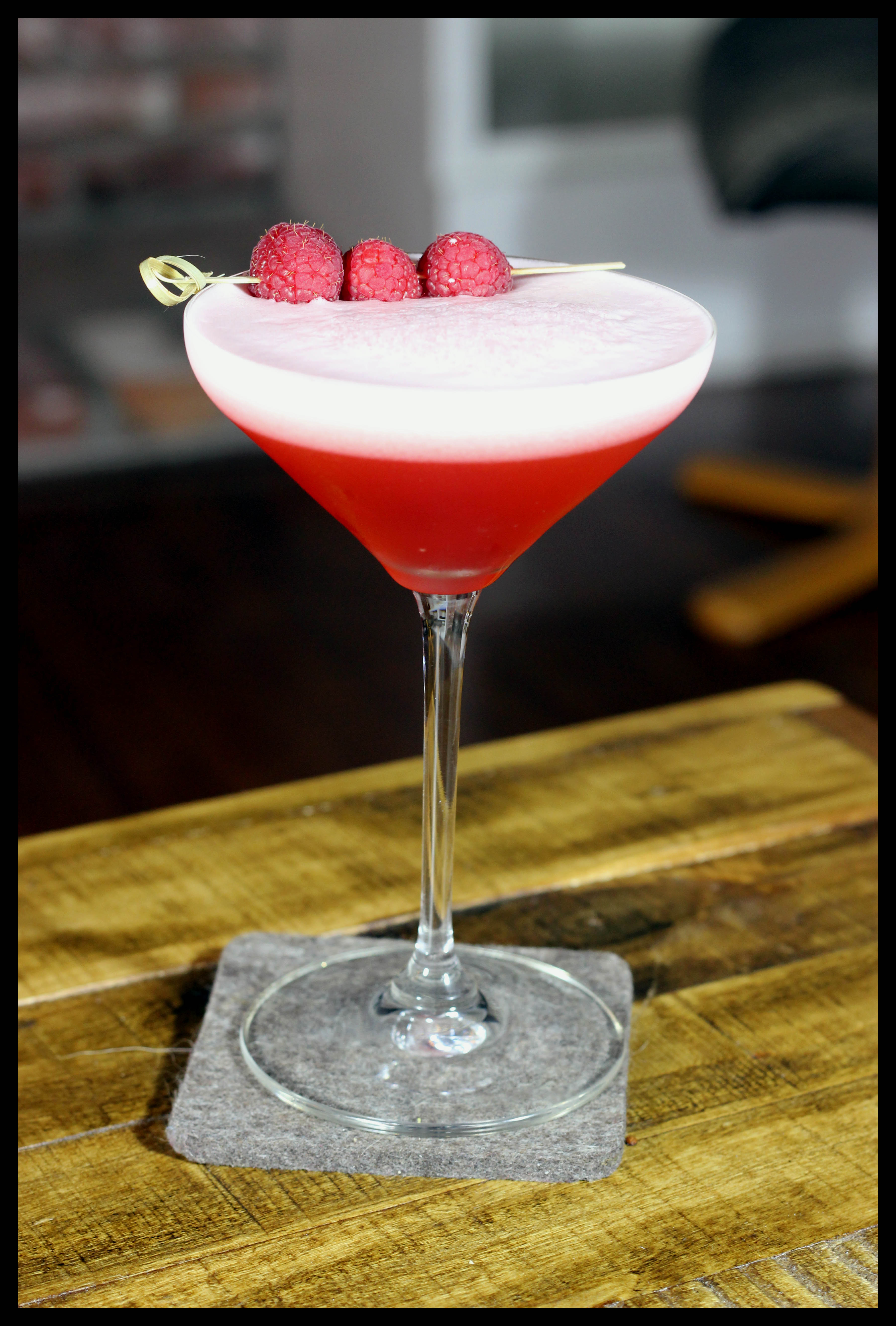
And so it is today. Just look at the damn thing:

cc-glamour-shot

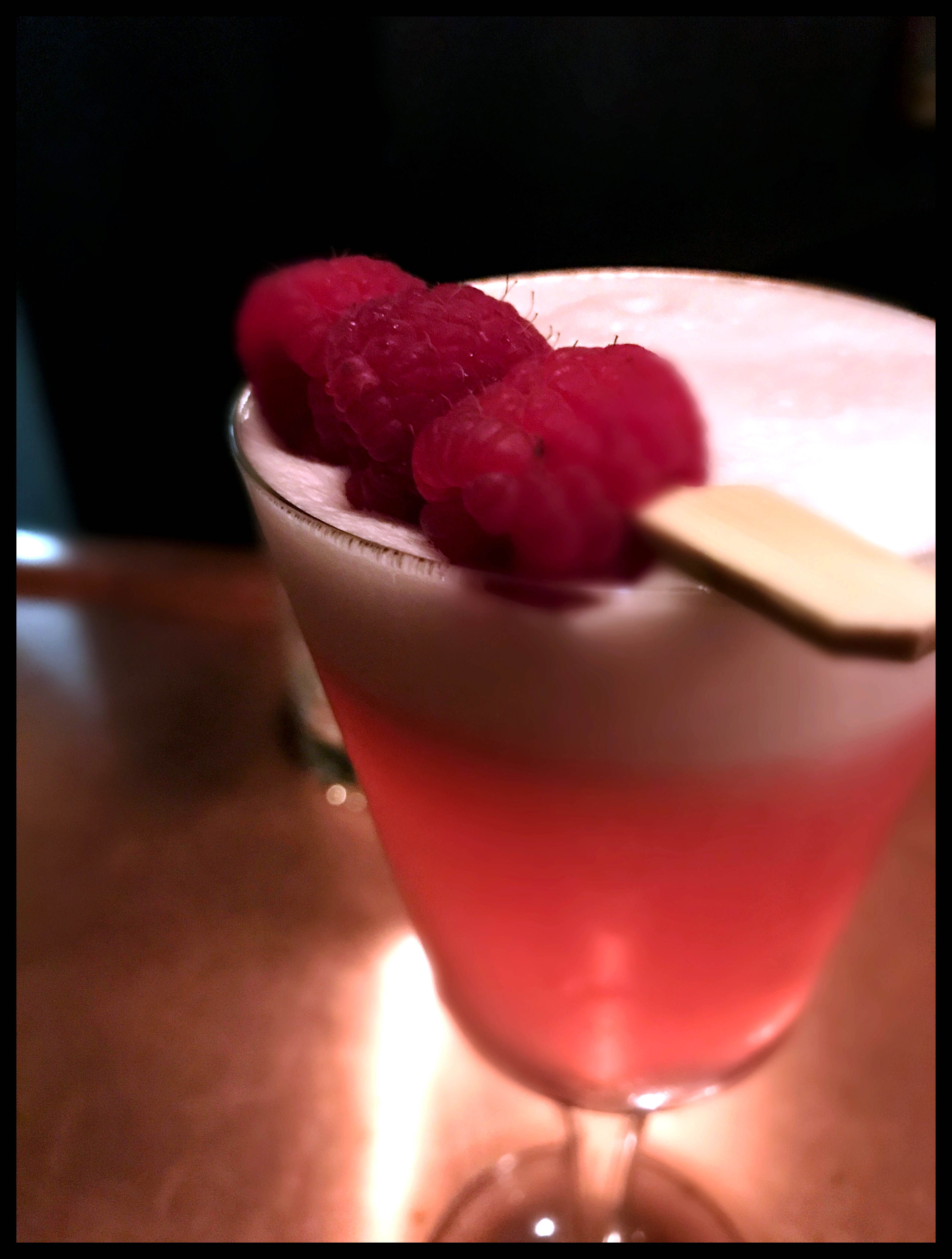
The pink. The white head. The cocktail glass. The garnish. It’s seems specifically designed to provoke insecure men. Which is a shame, because here’s the thing: the Clover Club is savagely fucking tasty.

What is the Best Recipe for a Clover Club?

Over the course of a month, I made every Clover Club recipe I could find. I tried grenadine vs. raspberries, dry vermouth vs. no dry vermouth, tweaking ratios, and did several blind trials with 16 different gins, which reduced to 8, then to 4, then to a winner. So here, the best Clover Club recipe, and then, below, I’ll explain my choices:

The Clover Club
2oz Hendrick’s Gin
0.75oz fresh lemon juice
0.75oz simple syrup (1:1)
1 egg white (about 1oz)
4-5 raspberries

Add egg white to tin. Add the rest of the ingredients, as well as the raspberries. Seal, hold tight, and dry shake, without ice, for 5-6 seconds. Add ice, reseal tins and shake hard for 15 seconds. Strain into cocktail glass. Express a lemon peel over the top, then discard peel (for the aroma). Garnish with a raspberry, or 2, or 3, on a pick.

Ingredient Notes:

cc-lineup

Raspberries vs. Grenadine: FRESH RASPBERRIES

There’s a bit of wavering about whether it’s raspberries or grenadine in this, and it’s comforting to discover bartenders have been wavering since the very beginning. Booth’s 1908 recipe calls for grenadine but adds that raspberry syrup “will answer the purpose” while a 1909 recipe calls for raspberry syrup, but says grenadine will work if raspberries aren’t in season. So it seems pretty simple: raspberry season is June — October, and pomegranate season is September — February, so pre-globalization, just use whichever you can get.

That being said, it’s 2017, and we can have everything all the time, so use raspberries. Grenadine makes a fine drink, but it’s not magic. Raspberries, in this, are magic.

As for fresh vs. syrup, use fresh. Syrup mutes the flavor, and fresh raspberries sing out of this drink. The PDT cocktail book advises raspberry jam, and again, it’s a fine drink, but fresh is always better.

cc-jam

Vermouth vs. No Vermouth: NO VERMOUTH

Very smart and talented people claim that a spot of dry vermouth improves the drink, and indeed, dry vermouth shows up in some of the earliest recipes. What dry vermouth achieves is to lend complexity — midtones — to a sour that otherwise rests on its brightness and vibrancy.

This is personal taste territory, and I tread lightly to disagree with such august opposition. Legendary cocktail historian David Wondrich says vermouth turns “a serviceable drink into an ambrosial one.” Julie Reiner, equally legendary operator who opened a bar in Brooklyn almost 10 years ago and named it after this exact drink, chooses vermouth. Along with that are a couple quieter choices as well — Plymouth, softer than it’s London Dry big brothers, and raspberry syrup instead of fresh. Her choices all lend toward subtlety and nuance instead of the vibrant, electric sour I’ve landed on. I admit I think mine is much better, but obviously she’s not incorrect. It’s just a difference in taste, and I like it better without vermouth.

Note: If you are using vermouth, I personally found it best with Tanqueray. To me, Tanqueray best incorporates the complexity of the vermouth into the greater drink. I feel like vermouth spoke too loud for the other gins, even Beefeater.

GINS: HENDRICK’S

Imagine my surprise. Plymouth is traditional, in that some very early recipes call for it (though they didn’t have the selection we now enjoy). I was sure it would be Tanqueray 10, but nope — the structure and floral nature of Hendricks just melds perfectly. Side-by-side it against your favorite and tell me I’m wrong.

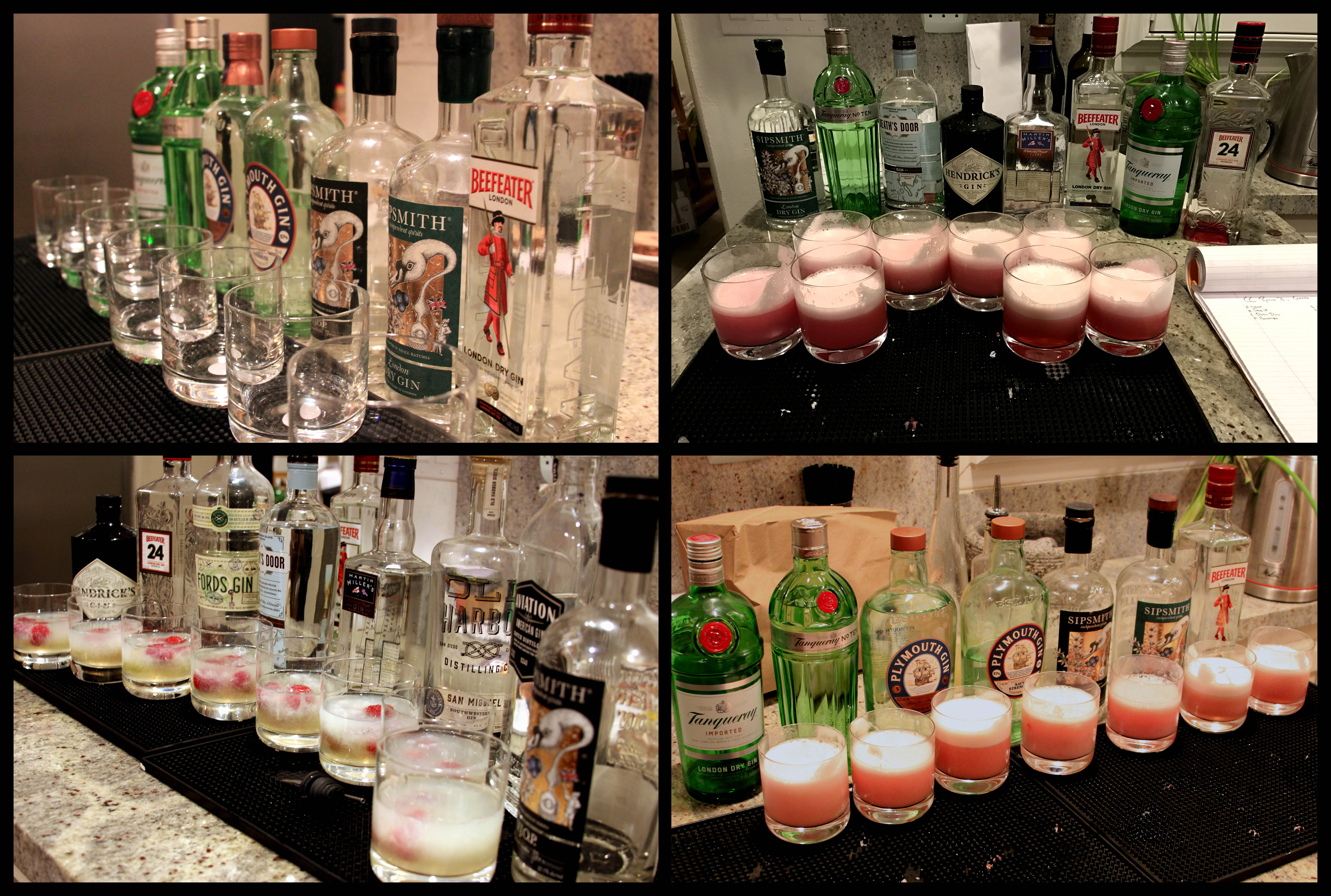
Here are the gins I tested, more or less in order of how I preferred them:

cc-trails

Individual Gin Notes:

MY FAVORITE:

Hendrick’s: really delivers that brightness I enjoy. Raspberry depth all the way through, buttressed by floral components of gin. Strong but mild, complex and delicious. Perfect.

TOP TIER, WOULD HAPPILY ACCEPT ANY TIME EVER:

Beefeater 24: very close second, even won some early blind rounds against Hendrick’s, just that Hendrick’s won more often. Really outstanding, bright, full flavored. “No hair out of place.” As it warms it can betray a little spirit hottness, but this is a very close 2nd.

Sipsmith: interesting that this would be so close at only 41.6%, but it provides the perfect infrastructure for the drink. Another close 2nd. Allows the raspberry to sing while complementing them with what translates as a textured grapefruity semi-bitterness. Really great.

STILL GREAT, BUT WOULD SLIGHTLY PREFER ONE OF THE ABOVE:

Beefeater: Very good, creamy and a little hot. “Like ice cream,” I wrote. Simple but tasty.

Tanqueray: Also extremely good. Starbright and vibrant at first. Gin shows through a little too much as it warms, but this is still an excellent drink.

Tanqueray 10: Same benefits and detriments as Tanqueray original. I thought the grapefruit would come through more, but I get more grapefruit-y notes on Sipsmith than I do on this.

FINE, BUT IT GETS BETTER:

Miller’s Westbourne Strength: one of my favorites for so many other uses, and almost made the above category. The cucumber here comes through as a green note that is very interesting, but ultimately distracting away from the clarity of flavor, which I see as the one of the Clover Club’s main strengths. Good though.

Plymouth: a little boring. Tastes fine, not bad, just a bit flat.

Death’s Door: just weighs in a little out of balance on this particular drink, but certainly not bad. “Creamy, tasty, good. A little hot on the finish but good on the whole.”

DON’T RECOMMEND FOR THIS APPLICATION

Aviation: this gin really stakes a different claim for itself — strong sarsaparilla notes, and some lavender — and that claim distracts from the overall drink. “Not bad — like a spinoff. Makes a Root Beer-flavored Clover Club.”

Sipsmith VJOP: in both trials, it wouldn’t foam up right. Flat, hot and uninteresting. I made it again because maybe the non-foaming part was my fault, and didn’t foam second time either. A catastrophe.

Plymouth Navy Strength: I thought extra proof points would do this favors, but still more suppresses flavor than enhances it. And there’s a strange, barnyardy earthiness just out of grasp that I find unpleasant.

Old Harbor San Miguel Gin: again, a bold new-style gin that is tasty, but too much cilantro for this application. “Green. Herbal. That’s cilantro. Not unpleasant, actually, but no reason to use this gin for this drink unless it’s all you have around.”

Ford’s Gin: this coaxed an earthy midpalate out of the cocktail and led to a somewhat unpleasant finish. I have no idea where that’s coming from on the gin, but we both placed it in the bottom half of its heat.

cc-trails-shot

TRIVIA:

What is a “Clover Club?”

The name “Clover Club” was adopted from a then-famous phrase, “While we live we live in clover, when we die we die all over.” To be “in clover” was to be flush with luxury, comfort, and happiness, and the phrase shows up in the early 1700s, when clover was seen as a particularly savory and fattening meal for cattle.

What does that phrase come from?

The entire “while we live we live in clover…” phrase itself was coined by singer and playwright Samuel Sanford. Sanford was also an actor, as well as a hideous bigot — he achieved fame in 1850s for writing a fiercely pro-slavery stage version of the anti-slavery novel Uncle Tom’s Cabin, which he titled “Happy Uncle Tom, or Life Among the Happy.” He himself played Uncle Tom, in blackface, and an 1895 article in the Baltimore Morning Herald adoringly reported that “Sanford’s life is practically the history of negro minstrelsy in America.” What a dick.

Batched ingredients don’t separate. Ever.

This will be a short post, because while I found this fact to be a revelation, I suspect most people already know this intuitively, and to them, I sound pretty goddamn stupid.

It’s against policy to sound stupid in the public sphere, but I risk broadcasting my density here for the benefit of those who, like me, have always insisted on shaking the batches before every use.

Batching:

In a busy bar, you’ll often batch liqueurs, syrups, or even base spirits together to make service more efficient, turning a 5 pour drink into a 2 or 3 pour drink. Thus, for something like the Mane of Needles, say:
2oz Rye                                 — becomes —          2oz Rye
0.75oz Carpano Antica                                        1.75oz batch
0.5oz Campari                                                        dash orange bitters
0.25oz Benedictine
0.25oz Fernet
dash orange bitters

Easier, no? I’ve been a fan of batching for a long time, but I’ve always warned my bartenders: agitate the batches if it’s the first time you’re touching them that day. It only made sense to me that the constituent ingredients would settle out over time, the way juice does.

My intention was to figure how quickly they separated, not whether they did at all, so I set up a couple experiments. I made 5 cocktails with ingredients of dramatically different sugar levels, ABV, and colors (all that data is at the bottom. if you’re curious) sealed them in glass bottles, and tucked them away.

[bi] initial

The general idea was to check every few hours to see how quickly the colors separated. My hypothesis was that it would happen within 6-8 hours.

First few hours: nothing. First few days: nothing. After two weeks, they still looked like this:

[bi]two weeks later

Convinced I was missing some minute but crucial gradient, I held it up to bright light and looked harder:

[bi] montage

Zero color variation.

“Ok,” I thought, “maybe whatever accounts for color completely mixes in but something must settle out, right?” So I took a siphon, and siphoned off each bottle into three glasses: top 1/3rd, middle 1/3rd, bottom 1/3rd. And tasted them all side by side. And nothing. They’re exactly the same.

Do the ingredients really not separate over time?

Obvious Answer:

Of course they don’t separate over time.

If alcohol and water settled out, a bottle of vodka would be stronger on top than it is on the bottom. If sugar settled out of alcohol and water, a bottle of Campari would be sweeter on the bottom than on top.

When you first add things together, they’re not completely mixed, and you see sugary wisps in the liquid. But shake or stir it a couple times, and once those wisps go away — once it’s all fully mixed together — your job is done. The liquid doesn’t know it used to be 3 different things. All it knows is that is has a certain amount of water, sugar, and alcohol, and because of Brownian Motion, the levels thereof will be constant, throughout the liquid, until the end of time.

Again, this may be obvious to you. It may seem like I’m urgently tapping you on the shoulder to tell you that giraffes are tall. And in hindsight, yeah, of course. But it took me 2 weeks of experiments and a long text conversation with a friend who has a Ph.D. in chemistry (thanks, Addison) to work it out. So, you know. There’s that.

Bonus Fact:

Solids, of course, settle in the bottom of the bottle. In bottled citrus juice, the pulp starts to settle within the hour. But what about bitters?

Angostura bitters does indeed have tiny solid particulate matter that settles out over time. Look closely to the bottom of the bottle:

[bi] bitters sediment

Clearer still is a brief close-up video to see them dancing about:


I couldn’t possibly tell you how much of an effect those little particles have on flavor. I have no idea. But it’s probably a good idea to not batch your bitters, and to add them à la minute to each drink.

Added Bonus Fact:

This principle has an appealing corollary, which is that if you, say, found an ideal gin and sweet vermouth for a Negroni, you could just pre-batch a bottle of negroni and keep it at home for easy cocktails after long shifts. Food for thought.

Experiment Data:

This wasn’t interesting enough to put in the body, but in case your curious, these are the cocktails I chose because the ingredients had widely disparate sugar & alcohol levels, and were of different colors. Sugar levels are taken from educated guesses by smarter people than myself, most notably Dave Arnold in Liquid Intelligence and this random, helpful little website.

bi-contestants